

Introduction: When a Festival Becomes a Global Opportunity
Every year, as the festive season approaches, millions of people prepare to celebrate Diwali, the Festival of Lights. Homes are decorated, traditional clothes are purchased, gifts are exchanged, sweets are prepared, businesses launch special offers, and families come together.
But Diwali is no longer an occasion that belongs only to India.
From Malaysia and Singapore to the United Kingdom, United States, Canada, Australia, Mauritius, South Africa, and other parts of the world, Diwali has become an important cultural celebration for Indian communities and people who enjoy participating in its traditions.
For businesses, this creates opportunities that extend beyond a single country. Indian clothing brands can reach customers overseas. Sweet manufacturers can serve international communities. Online stores can promote festive collections. Restaurants can attract new customers. Tourism companies can organise cultural experiences. Digital marketers and freelancers can help these businesses reach the right audiences.
There is another important side to this opportunity: freelancing.
A business preparing for Diwali may need a website update, a promotional banner, product photography, social media posts, search engine optimisation, paid advertising, email campaigns, or festive video content. Many businesses do not have enough in-house staff to manage all these activities. They turn to freelancers, independent consultants, and digital agencies.
This creates opportunities for skilled professionals to work with clients in different countries without necessarily travelling or relocating.
In this guide, we explore Diwali as a global cultural event, its business and commercial opportunities, digital marketing strategies, and how freelancers can use the festive season to build international relationships and grow their careers.
Whether you are a business owner, entrepreneur, digital marketer, freelancer, eCommerce seller, or someone interested in the global economy, there is something valuable to learn from the growing international presence of Diwali.
Understanding Diwali as a Global Celebration
Diwali, also known as Deepavali, Deepawali, or the Festival of Lights, is one of the most widely recognised festivals associated with Indian traditions.
The festival is commonly connected with the victory of light over darkness, good over evil, and knowledge over ignorance. Different communities and regions observe Diwali through their own religious, cultural, and family traditions.
For many families, it is a time for:
-
Cleaning and decorating homes.
-
Lighting traditional oil lamps and decorative lights.
-
Preparing festive food and sweets.
-
Wearing new clothes.
-
Exchanging gifts with relatives and friends.
-
Visiting family members and communities.
-
Participating in prayers and cultural activities.
Diwali is observed by people from different religious backgrounds, including Hindus, Jains, Sikhs, and some Buddhist communities, although the significance and traditions differ.
The festival also has different regional expressions. For example, celebrations in Tamil Nadu may differ from those in Gujarat, Maharashtra, Punjab, or West Bengal.
This cultural diversity is important for businesses. A successful international Diwali campaign should not assume that every customer celebrates in exactly the same way.
When is Diwali celebrated?
Diwali usually falls in October or November, based on the Hindu lunar calendar. Its exact Gregorian calendar date changes every year.
In 2026, the main Diwali date in India is Sunday, November 8. Observance dates may differ in some countries and communities.
For businesses and freelancers, this means planning should begin well before the actual festival. Website updates, promotional campaigns, product launches, and advertising creatives should ideally be prepared weeks in advance.
How Different Countries Celebrate Diwali
One of the most interesting aspects of Diwali is how the festival brings together communities across geographical boundaries.
Although the traditions may vary, the themes of celebration, family, food, light, and togetherness create opportunities for cultural exchange.
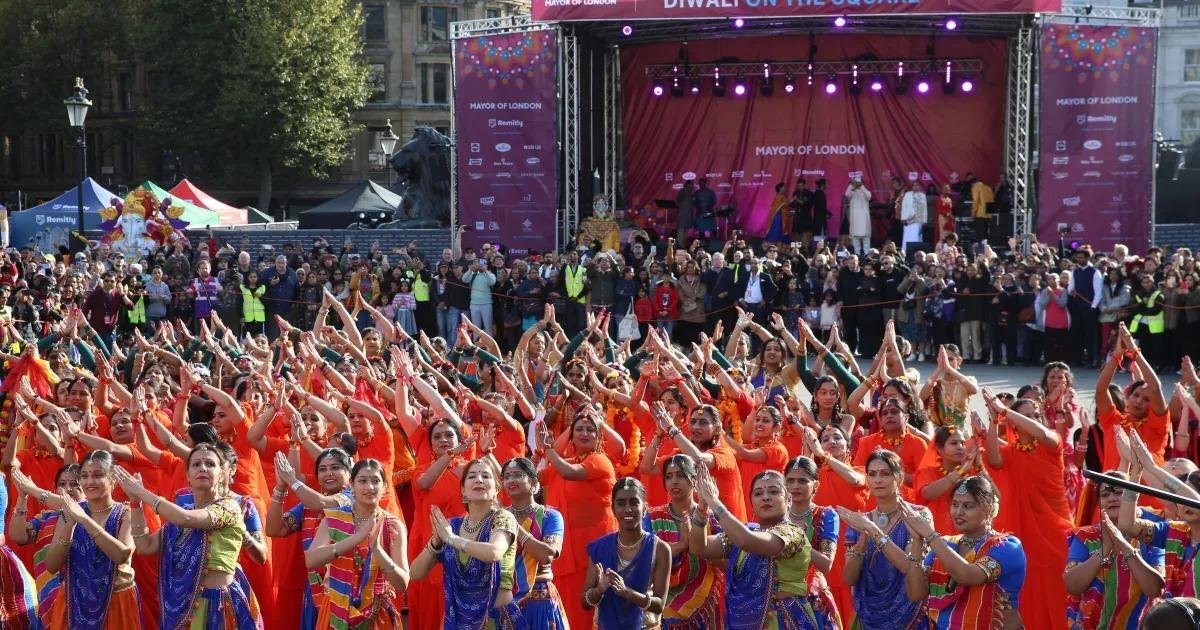
Diwali in India
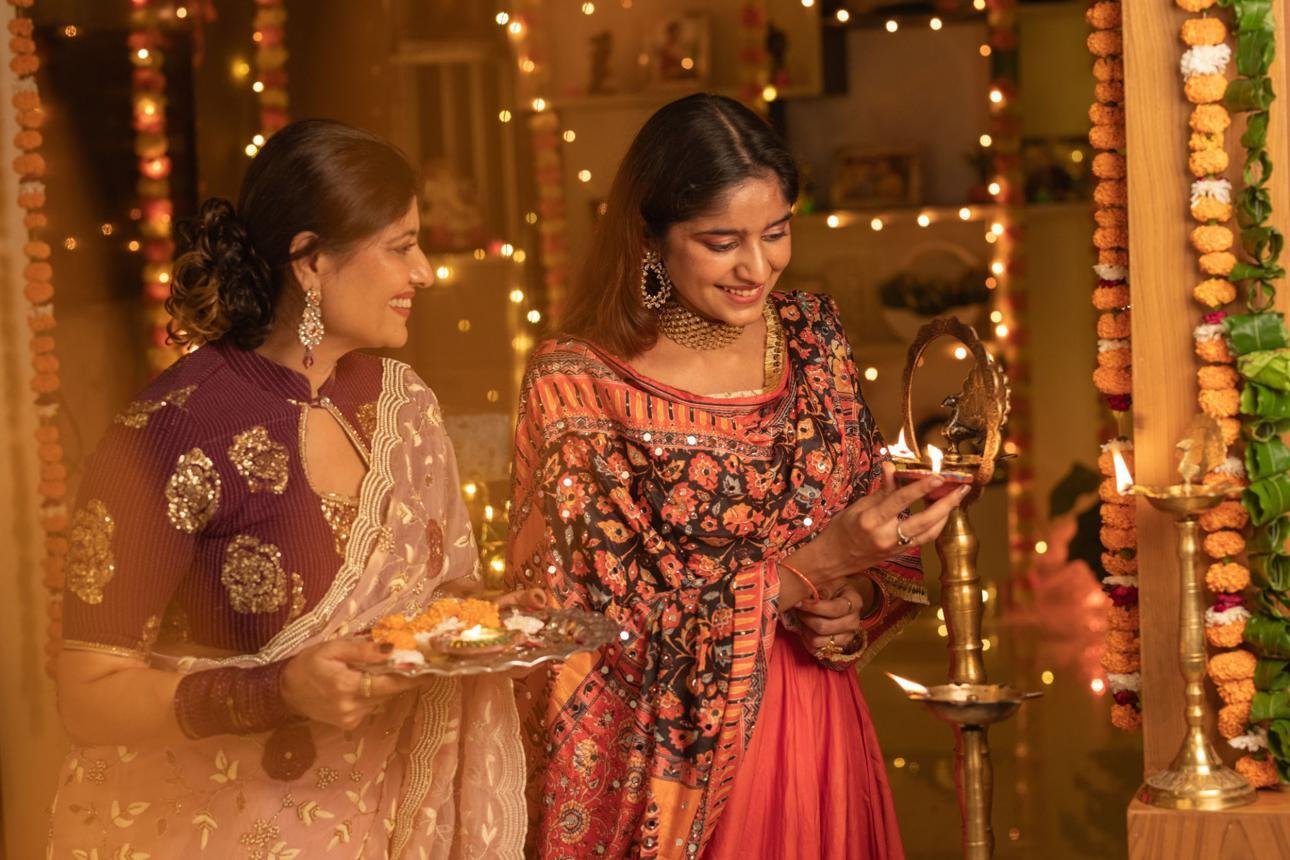
India remains the heart of Diwali celebrations. The festival is observed across the country, with regional traditions, religious practices, shopping activities, and family gatherings.
Major commercial activities include:
-
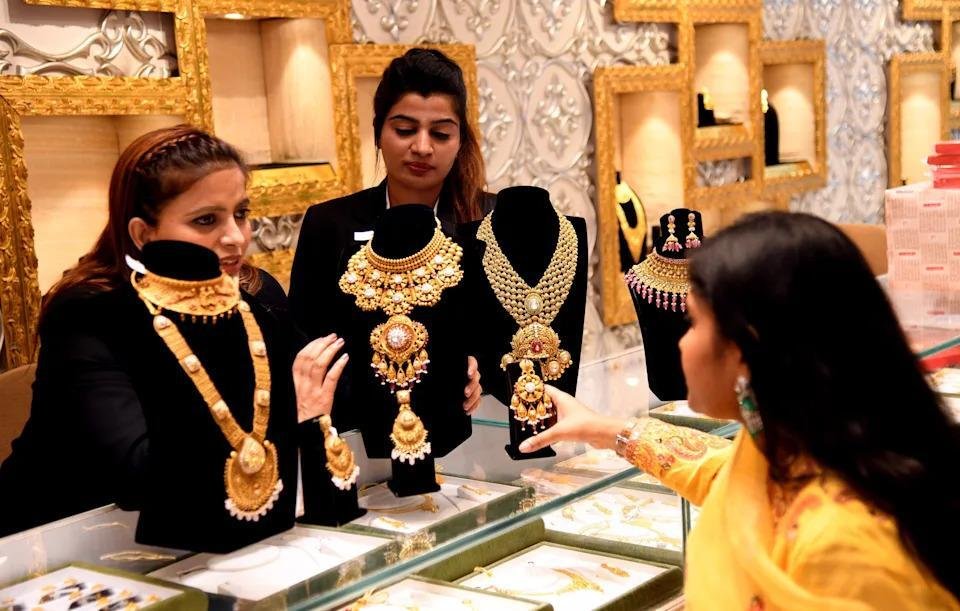
Jewellery and gold purchases.
-
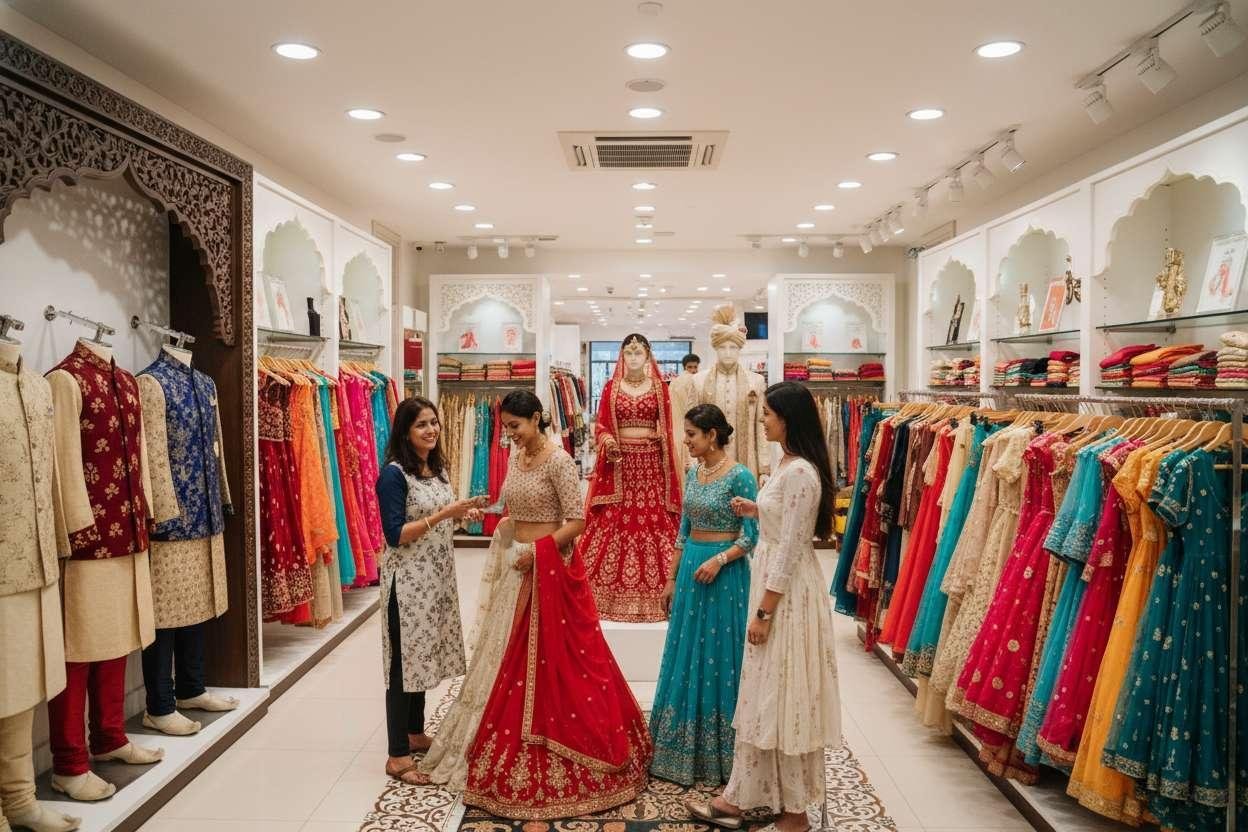
Traditional clothing and fashion.
-
Electronics and home appliances.
-
Sweets, snacks, and food products.
-
Home decorations and lighting.
-
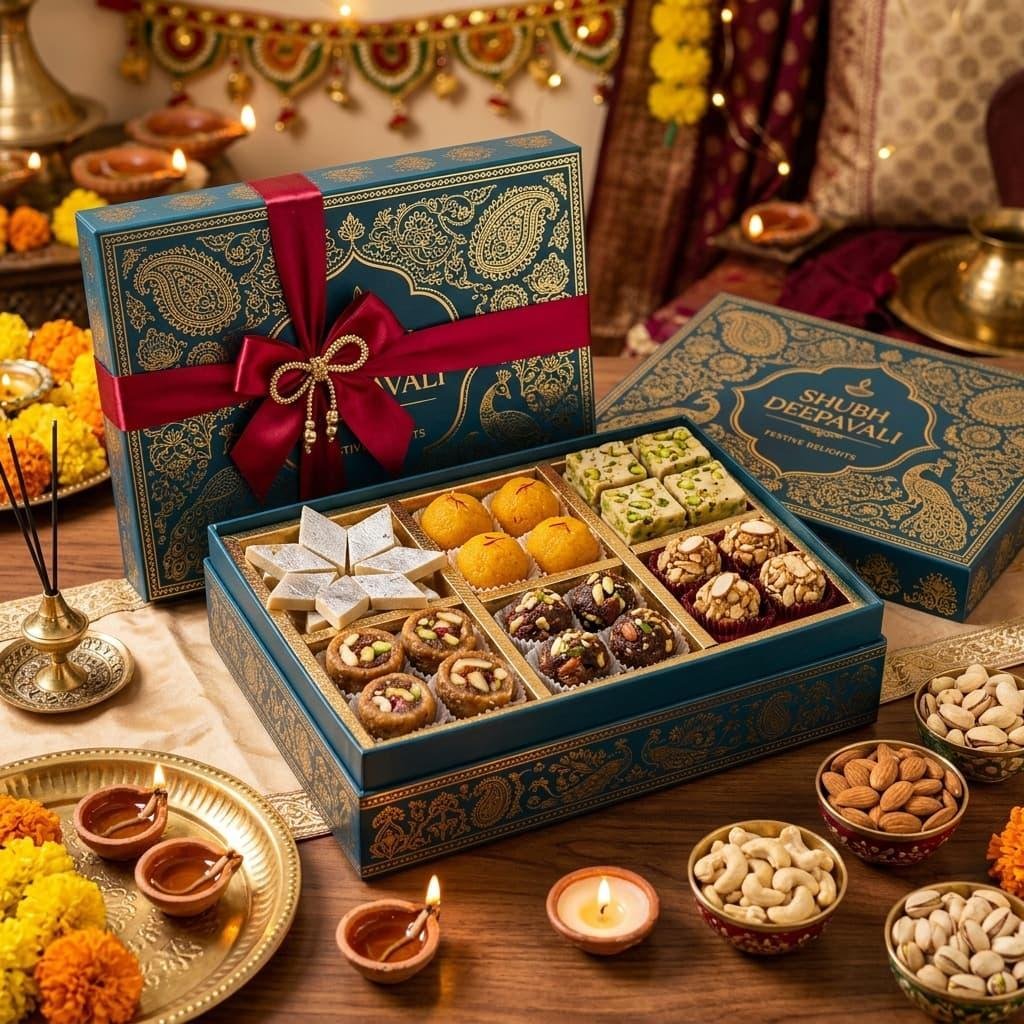
Corporate gifting and festive hampers.
-
Online shopping and seasonal discounts.
For retailers and eCommerce businesses, Diwali is an important seasonal marketing period.
Small businesses can also benefit by offering customised gifts, regional products, handmade decorations, traditional clothing, and locally produced food items.
Diwali in Malaysia
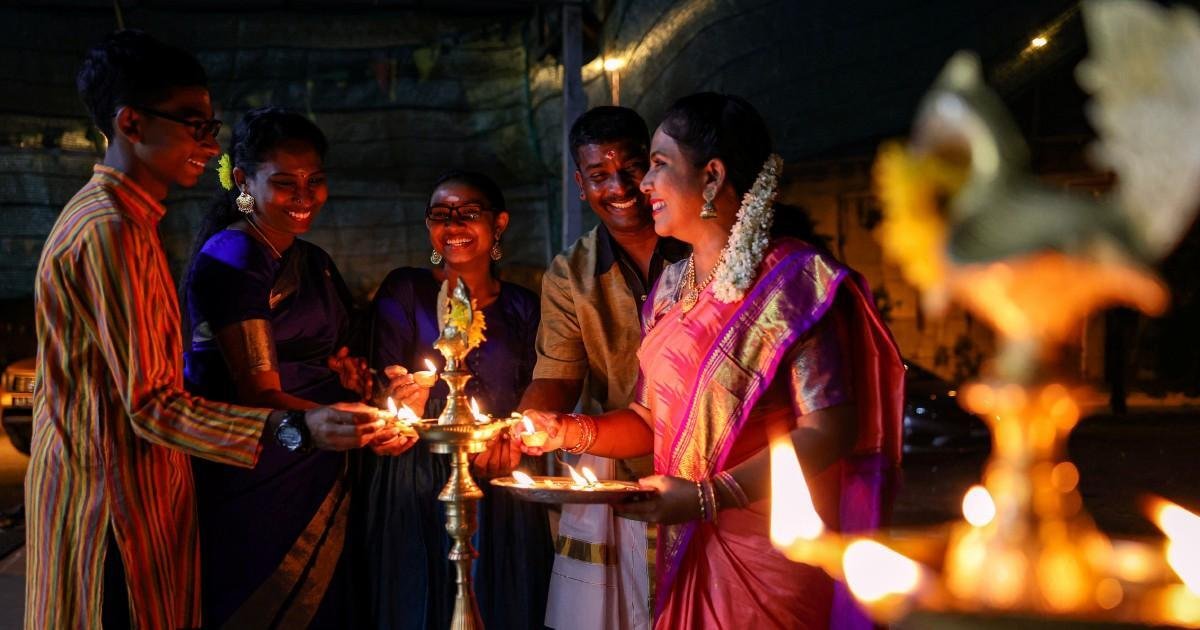
Malaysia has a significant Indian community, and Deepavali is an important cultural celebration.
In areas such as Kuala Lumpur, Brickfields, Klang, Penang, and other locations, festive decorations, shopping activities, traditional food, and community celebrations contribute to the festive atmosphere.
Businesses can explore opportunities in:
-
Traditional Indian clothing.
-
Sarees, jewellery, and accessories.
-
Indian sweets and snacks.
-
Decorative lamps and home products.
-
Festive gift boxes.
-
Restaurants and catering.
-
Cultural events and tourism.
Malaysia is also an interesting market for businesses that want to connect with customers across different cultural communities.
For companies targeting Malaysian customers, a locally relevant website and well-planned digital campaign can help improve visibility. Businesses can explore professional website design and development services to build a stronger online presence.
Diwali in Singapore
Singapore’s Little India is one of the most recognisable places for experiencing Deepavali celebrations outside India.
Festive lighting, retail promotions, cultural programmes, food, and community activities attract residents and visitors.
The Singapore market offers opportunities for businesses in retail, hospitality, food services, fashion, travel, and gifting.
Because Singapore has a multicultural population, businesses should communicate respectfully and make their festive campaigns relevant to the intended audience.
Diwali in the United Kingdom
The United Kingdom has long-established South Asian communities, and Diwali celebrations take place in cities such as London, Leicester, Birmingham, Manchester, and other locations.
Leicester is particularly recognised for its large Diwali celebrations.
Businesses can use the season to connect with customers interested in:
-
Indian fashion and ethnic clothing.
-
Jewellery and accessories.
-
Indian restaurants and catering.
-
Sweets and festive food.
-
Cultural events.
-
Corporate gifting.
-
Online shopping.
For UK-based businesses, Diwali can also be an opportunity to introduce Indian-inspired products to customers who may not traditionally celebrate the festival.
Diwali in the United States
The United States has a large and diverse Indian-origin population, with Diwali celebrations taking place in cities such as New York, New Jersey, Chicago, Houston, Dallas, San Francisco, and many other locations.
Community events, temple celebrations, cultural programmes, restaurants, and retail campaigns help bring the festival to a wider audience.
For businesses, the American market offers opportunities in:
-
Indian fashion and lifestyle products.
-
Ethnic grocery products.
-
Online gift delivery.
-
Event management.
-
Restaurants and catering.
-
Corporate festive celebrations.
-
Digital advertising targeting local communities.
American businesses can also use Diwali as part of multicultural marketing initiatives, provided their messaging is thoughtful and culturally appropriate.
Diwali in Canada
Cities such as Toronto, Brampton, Mississauga, Vancouver, and Calgary have active South Asian communities.
Businesses can target local customers through community events, festive offers, online stores, restaurants, and delivery services.
Local search visibility is particularly important for businesses that depend on nearby customers. A restaurant, gift shop, or clothing store should ensure that its business information, website, and local search presence are updated before the festive season.
Diwali in Australia
Diwali is celebrated in several Australian cities, including Sydney, Melbourne, Brisbane, and Perth.
Indian cultural associations, universities, community groups, and businesses organise events and celebrations.
This creates opportunities for event organisers, food businesses, clothing retailers, gift sellers, and service providers.
Diwali in Mauritius, South Africa, and Other Countries
Diwali also has a strong cultural presence in Mauritius and South Africa, where Indian-origin communities have preserved many traditions.
Other countries also organise community celebrations, cultural programmes, and festive events.
The international presence of Diwali demonstrates an important point: a festival can retain its cultural meaning while creating opportunities for businesses and communities across borders.
For global brands, the opportunity is not simply to sell more products. It is to understand the people, traditions, and communities behind the celebration.
Diwali and the Growing Global Business Market
Diwali is culturally significant, but it also has a commercial dimension.
The festive period influences purchasing decisions across several industries. People plan purchases, look for gifts, prepare their homes, attend events, and explore special offers.
A 2026 USDA Foreign Agricultural Service report estimated that Diwali spending in India reached approximately US$69 billion in 2025, highlighting the scale of the festive consumer market. This is an estimate for India, not a measurement of global Diwali spending.
International interest is also growing. A November 2026 fashion industry report described luxury brands expanding their Diwali campaigns and activities to reach Indian consumers and diaspora audiences in different markets.
Industries that benefit from Diwali
| Industry | Potential opportunity |
|---|---|
| Fashion | Ethnic clothing, festive collections and accessories |
| Jewellery | Gold, silver and fashion jewellery |
| Food | Sweets, snacks, catering and speciality groceries |
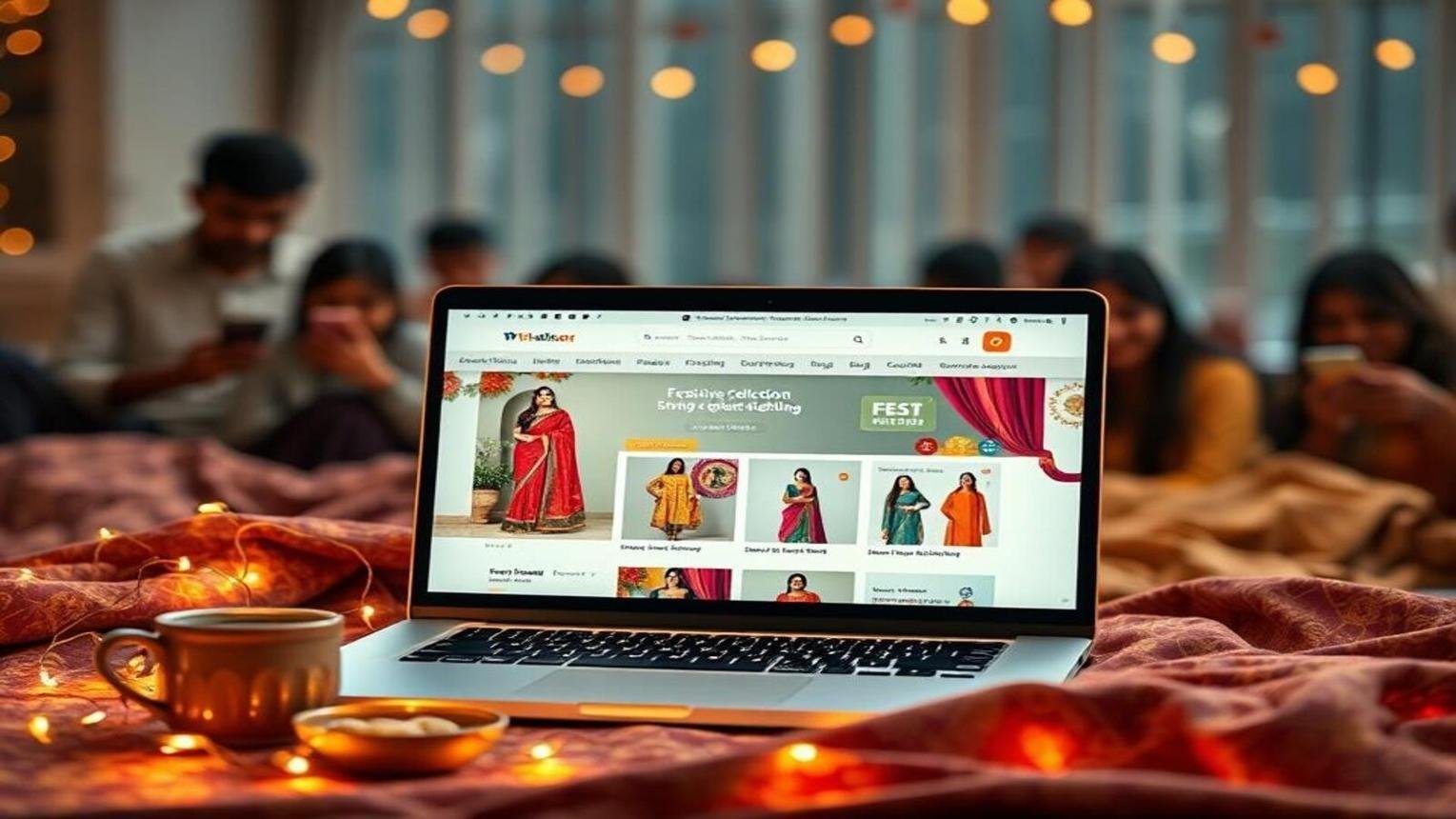
| eCommerce | Online festive collections and gift delivery |
| Home decor | Diyas, lights, decorative products and furnishings |
| Hospitality | Restaurants, hotels and festive experiences |
| Tourism | Cultural tours, events and community experiences |
| Technology | Electronics, smart devices and accessories |
| Corporate services | Employee gifts and business hampers |
| Digital services | Websites, SEO, advertising and creative campaigns |
Why global businesses are paying attention
A business does not need to be based in India to participate in the Diwali market.
For example:
-
A UK clothing retailer can create a Diwali-inspired collection.
-
A Malaysian food business can offer festive gift boxes.
-
A US gift company can provide Diwali delivery options.
-
A Singapore restaurant can promote a special festive menu.
-
An Australian event company can organise community celebrations.
-
An Indian manufacturer can sell products to international customers.
The opportunity is especially relevant for businesses that already serve multicultural audiences.
However, brands should avoid treating Diwali as just another discount event. Customers are more likely to respond positively to campaigns that understand the festival’s meaning and offer something genuinely useful.
How Small Businesses Can Use Diwali to Reach International Customers
You do not need a large marketing budget or an international office to reach customers during Diwali.
A small business can start with a clear product, a well-presented website, and a marketing plan that targets the right audience.
Consider a small Indian business selling handmade candles. Its customers may initially come from one city, but its products could also appeal to Indian communities in Malaysia, Singapore, the UK, Canada, and the USA.
Similarly, a clothing manufacturer may be able to sell festive collections to international customers through an online store.
The important question is not simply, “How can we sell during Diwali?” It is:
How can we make our products and services accessible to customers who want them, wherever they are?
Build a website that supports international customers
A website is often the first place potential customers visit before making a purchase or contacting a business.
For businesses targeting international markets, the website should provide:
-
Clear product and service information.
-
Professional product images.
-
Mobile-friendly navigation.
-
International shipping information, where applicable.
-
Transparent pricing and currency details.
-
Secure payment options.
-
Contact information and customer support.
-
Clear delivery and return policies.
An outdated website can make even a good product look less trustworthy.
Businesses planning to improve their online presence can explore Digital Hari’s website design and development services or WordPress web development services.
For eCommerce businesses, a properly structured online store can make it easier to manage product categories, seasonal collections, promotional banners, and customer enquiries.
Create festive product collections
Instead of promoting every product with the same generic discount, businesses can create collections that fit the occasion.
Examples include:
-
Diwali gift collections.
-
Festive clothing collections.
-
Traditional home decoration products.
-
Corporate gift packages.
-
Special sweets and food hampers.
-
Limited-edition products.
-
Personalised gift options.
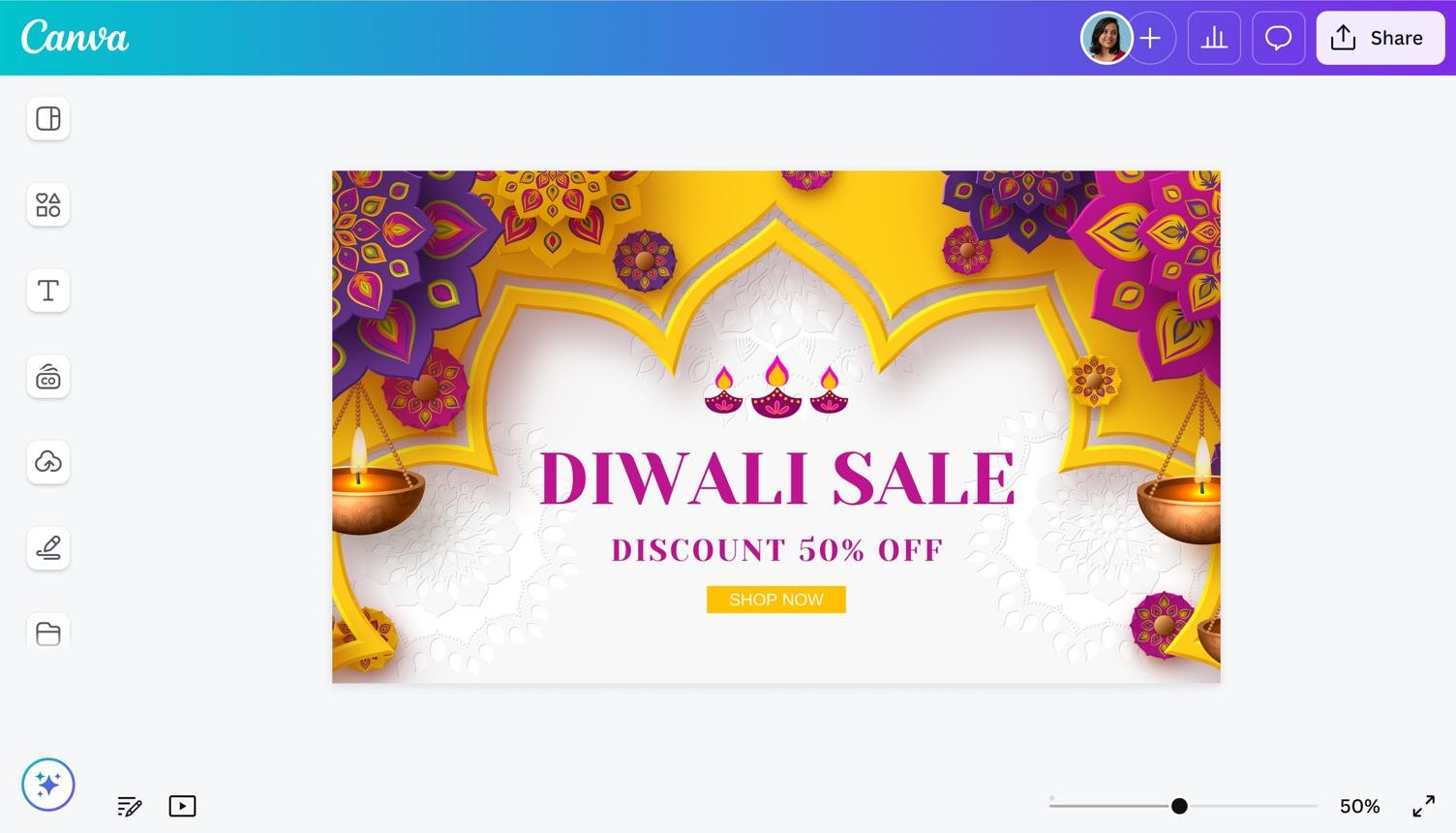
A dedicated Diwali landing page can bring these products together and make the shopping experience easier.
Make international delivery and payment information clear
A customer in London may be interested in purchasing a product from an Indian business, but uncertainty about shipping charges, customs duties, delivery time, and payment methods can prevent a purchase.
Businesses should explain these details before customers reach the checkout page.
Do not promise international delivery unless the business can actually provide it.
Use customer stories and product demonstrations
People often want to see how a product looks, how it is made, and how it can be used.
A short video showing a handmade diya, a festive gift package, a traditional outfit, or a special food product can be more engaging than a generic promotional graphic.
Customer reviews, genuine photographs, and product demonstrations can also help build confidence.
Diwali Digital Marketing: How Brands Can Reach a Global Audience
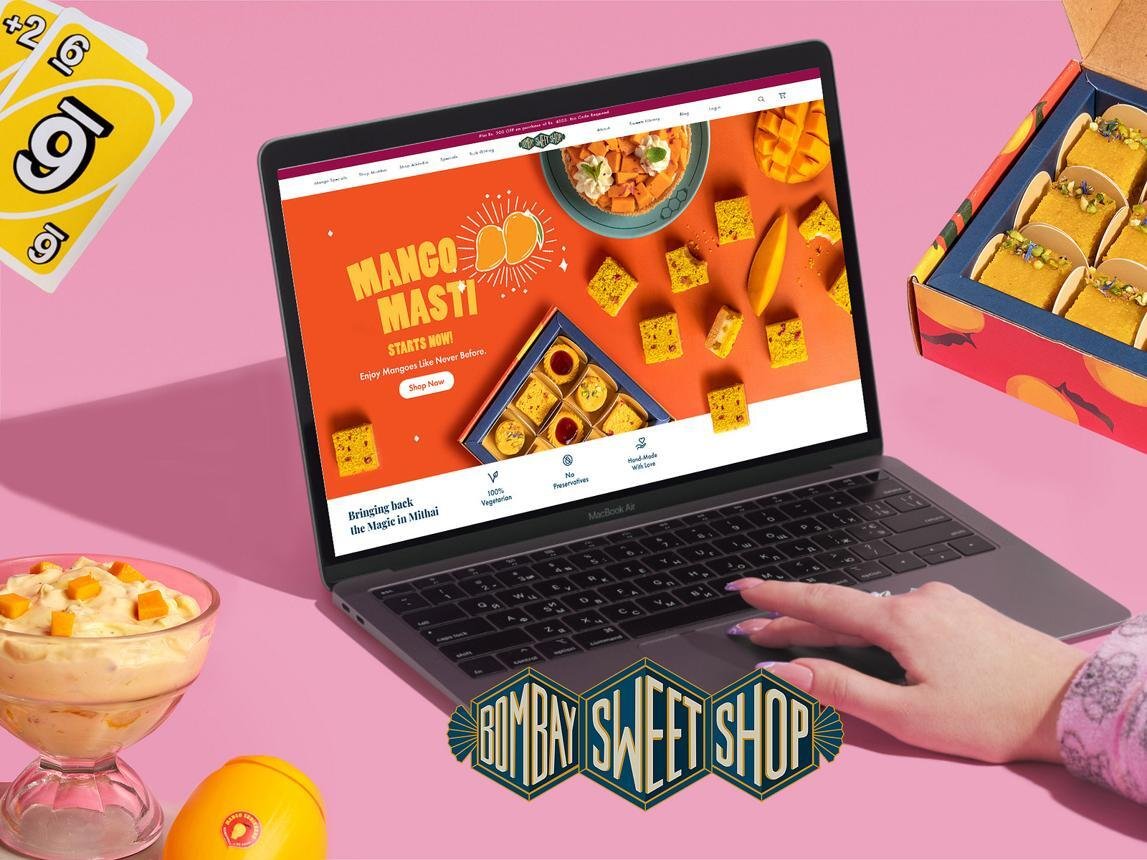
The way people discover businesses has changed. Customers may find a brand through Google, social media, online marketplaces, video platforms, recommendations, or AI-powered search tools.
For businesses, this means a Diwali marketing campaign should not depend on just one channel.
A strong campaign combines search visibility, engaging content, social media, paid advertising, email marketing, and a website that converts visitors into customers.
Search engine optimisation for Diwali
People search online for products, gifts, events, restaurants, clothing, decorations, and festive offers.
Businesses can create useful pages and content that answer these searches.
Examples of search phrases include:
-
Diwali gifts for family.
-
Diwali corporate gift ideas.
-
Diwali decorations online.
-
Diwali sweets delivery in London.
-
Diwali clothes in Malaysia.
-
Diwali events in Singapore.
-
Diwali gift hampers in the USA.
The best keywords depend on the business, location, products, and customer intent.
A retailer selling jewellery should not target exactly the same keywords as a restaurant or an event organiser.
Start with relevant search terms, build useful landing pages, and make sure the content answers what customers actually want to know.
For businesses that need help with keyword research, website optimisation, and organic search visibility, explore SEO services from Digital Hari.
Local SEO for Diwali businesses
Local SEO is especially useful for businesses serving customers in a specific city or neighbourhood.
For example, a restaurant in Kuala Lumpur may want to appear when people search for Indian restaurants or Diwali catering nearby.
A clothing shop in Leicester may want to attract people looking for festive clothing.
Businesses should pay attention to:
-
Accurate Google Business Profile information.
-
Updated business hours during the festive season.
-
Relevant local landing pages.
-
Location-specific website content.
-
Genuine customer reviews.
-
Consistent business contact details.
-
Useful photographs and service descriptions.
Local visibility can help a business attract customers who are already looking for nearby products or services.
Social media marketing
Diwali is naturally suited to visual storytelling.
Instagram, Facebook, Pinterest, YouTube, TikTok, and other social platforms give businesses opportunities to share festive content and reach relevant communities.
Content ideas include:
-
Behind-the-scenes product preparation.
-
Diwali decoration ideas.
-
Gift guides.
-
Festive recipes.
-
Product demonstrations.
-
Customer stories.
-
Short festive videos.
-
Event announcements.
-
Limited-time offers.
-
Employee and community celebrations.
Not every post needs to sell something. A business can also share useful information, stories, traditions, and creative ideas to build relationships with its audience.
For a stronger campaign, businesses can combine social media content with a dedicated content marketing strategy.
Paid advertising during the festive season
Paid campaigns can help businesses reach specific customer groups during the Diwali shopping period.
Depending on the business, suitable channels may include:
-
Google Search Ads.
-
Google Shopping campaigns.
-
Meta advertising on Facebook and Instagram.
-
YouTube advertising.
-
Pinterest advertising.
-
LinkedIn advertising for corporate gifting and B2B services.
The key is to define the campaign objective before spending money.
A business looking for online sales needs a different campaign from one trying to generate catering enquiries or promote a local Diwali event.
Set a budget, choose relevant audiences, create suitable landing pages, and monitor results. Do not assume that increasing the advertising budget automatically increases profit.
Email marketing
Email is useful for reaching customers who have already interacted with a business.
A Diwali email campaign can include:
-
Early access to festive collections.
-
Gift recommendations.
-
Special customer offers.
-
New product announcements.
-
Shipping deadlines.
-
Corporate gifting catalogues.
-
Thank-you messages after purchases.
Segment the mailing list where possible. A customer who purchased jewellery may not need the same message as a business customer looking for corporate gift packages.
Video marketing and short-form content
Short videos can demonstrate products, explain services, and communicate a brand’s personality.
A sweet shop can show how its festive boxes are prepared. A fashion retailer can demonstrate different outfit combinations. A freelance designer can showcase a festive campaign they created for a client.
Useful videos do not always require expensive production. Clear visuals, good lighting, relevant messaging, and a strong opening are often more important.
AI, GEO and the Changing Future of Diwali Marketing
Digital marketing is evolving beyond traditional search engines and social media.
People increasingly use AI-powered tools to ask questions, compare products, discover services, and explore recommendations.
For example, someone might ask:
-
Where can I order Diwali gift hampers in Malaysia?
-
Which Indian clothing stores deliver to the UK?
-
What are some unique corporate Diwali gift ideas?
-
Which restaurants offer Diwali catering in Singapore?
-
How can a small business promote Diwali products online?
Businesses should prepare their digital content to answer questions clearly and accurately.
This is where several newer areas of digital marketing become relevant.
What is AEO?
Answer Engine Optimisation (AEO) focuses on making content useful and understandable for systems that provide direct answers to user questions.
For example, a business publishing a guide to choosing corporate Diwali gifts can include clear questions, direct answers, useful comparisons, and relevant product information.
Explore Digital Hari’s Answer Engine Optimisation services.
What is GEO?
Generative Engine Optimisation (GEO) focuses on improving the likelihood that useful, credible content is understood, referenced, or surfaced by generative AI search experiences.
For Diwali-related businesses, this could mean publishing detailed guides about products, locations, delivery options, services, and customer questions.
Explore Generative Engine Optimisation services.
What is AI Search Optimisation?
AI search experiences are changing how information is discovered and presented. Businesses should therefore focus on useful content, clear website structures, reliable information, and a strong overall digital presence.
Explore AI Search Optimisation services from Digital Hari.
AEO, GEO, and AI search optimisation should complement good SEO rather than replace it. No strategy can guarantee that an AI platform will mention or recommend a particular business.
Freelancing During Diwali: A Seasonal Opportunity for Independent Professionals
Now let’s look at an opportunity that often receives less attention in discussions about Diwali: freelancing.
Festive seasons can create additional work for businesses. They need marketing materials, website updates, promotional campaigns, customer support, product listings, and content.
Some businesses have in-house marketing teams. Others depend on external agencies, consultants, and freelancers.
For independent professionals, this can create opportunities to work with businesses in India and overseas.
A freelancer does not necessarily need to sell physical products or operate a retail store to benefit from Diwali. Skills and services can also be part of the festive economy.
Why businesses hire freelancers during Diwali
Imagine a small clothing business preparing for its Diwali collection.
The owner may need:
-
A promotional website banner.
-
Product descriptions.
-
Social media designs.
-
Short promotional videos.
-
Google Ads management.
-
Search engine optimisation.
-
Email campaign setup.
-
Website updates.
-
Product photography.
Hiring full-time employees for a short campaign may not be practical.
Instead, the business may hire independent professionals for specific tasks.
This is where freelancers can offer value.
10 freelance services with Diwali demand potential
1. Graphic design
Businesses need festive banners, promotional posters, advertisements, website graphics, social media creatives, digital invitations, and product catalogues.
Graphic designers who can create professional designs while respecting different cultural preferences can serve clients across multiple countries.
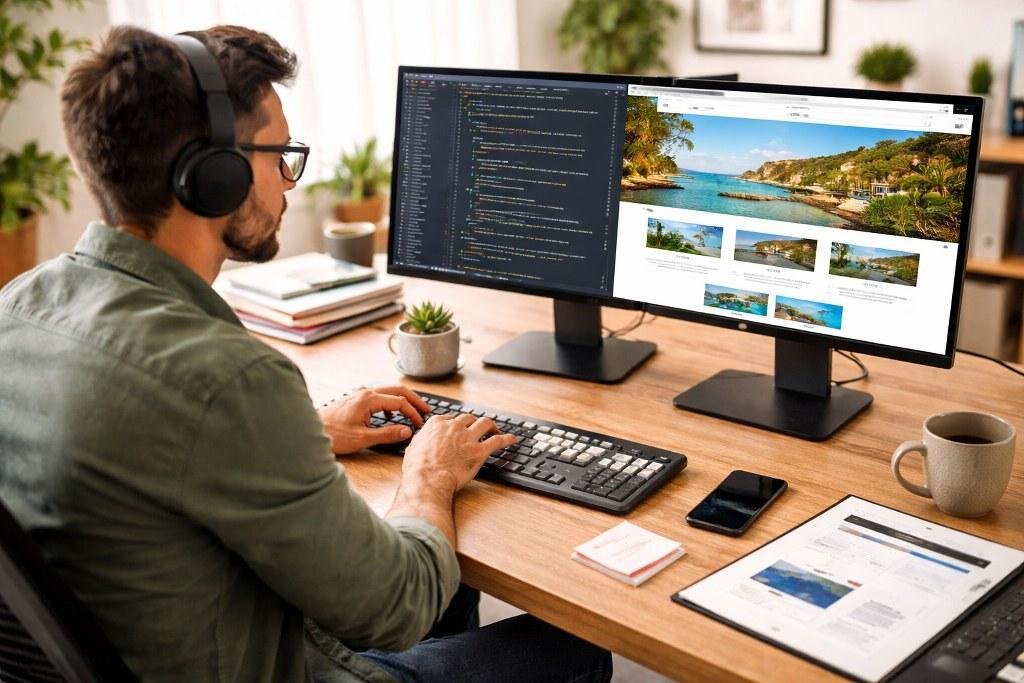
2. Website design and development
Retailers and service providers may need festive landing pages, promotional sections, website redesigns, product category pages, and online stores.
WordPress, WooCommerce, Shopify, and other platforms offer opportunities for freelancers with relevant skills.
3. Search engine optimisation
Businesses often want their festive pages, products, and seasonal content to become more visible in search results.
SEO freelancers can assist with keyword research, on-page optimisation, technical reviews, content planning, and local SEO.
4. Content writing
Businesses need product descriptions, blog articles, gift guides, email content, social media captions, landing page copy, and advertising text.
Writers who understand their target audience and can create natural, helpful content have an opportunity to stand out.
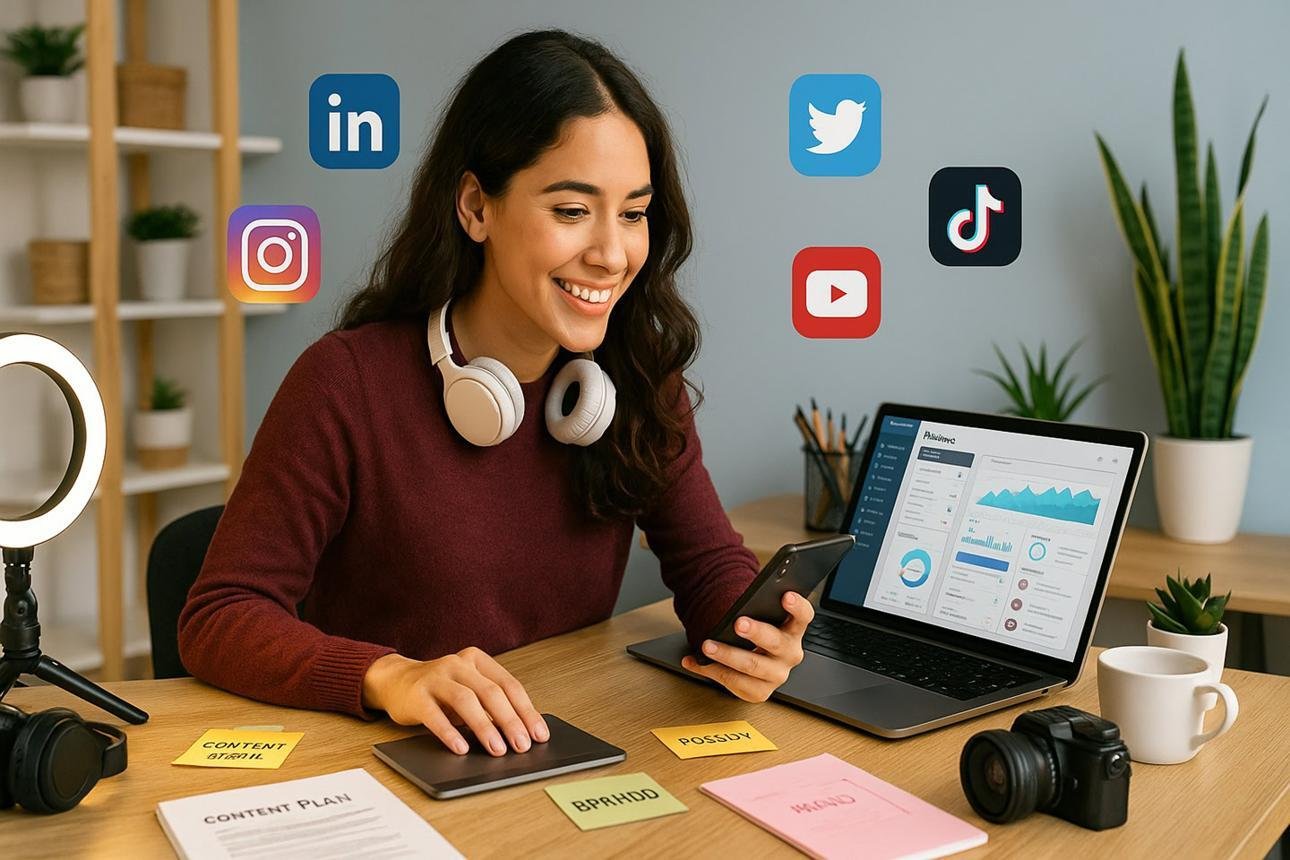
5. Social media management
Many businesses want to publish regularly during the festive season but lack the time to plan and manage content.
Freelancers can help with content calendars, post scheduling, captions, community engagement, and campaign reporting.
6. Video editing
Short promotional videos, product demonstrations, festive greetings, customer testimonials, and event highlights can all require editing support.
Video editors can work with clients remotely using digital assets supplied by the business.
7. Digital advertising
Businesses may hire specialists to manage Google Ads, Facebook and Instagram campaigns, retargeting, and conversion tracking.
A freelancer should understand campaign objectives, audience targeting, budgets, and performance measurement before offering advertising services.
8. eCommerce management
Online sellers may need help uploading products, updating prices, writing descriptions, organising collections, improving product images, and checking their checkout experience.
This work can be especially relevant when a business prepares a seasonal product collection.
9. Translation and localisation
A business expanding into international markets may need website pages, advertisements, product information, or customer communication adapted for different languages and cultural contexts.
Translation should preserve meaning and local relevance rather than simply converting words.
10. Virtual assistance and customer support
Businesses may need help responding to customer enquiries, organising orders, updating spreadsheets, preparing reports, and managing routine administrative work.
Freelancers with strong communication and organisational skills can support these activities remotely.
8. How Freelancers Can Find International Diwali Projects
Having a skill is important, but clients also need to discover and trust you.
Many freelancers make the mistake of creating a profile on a marketplace and waiting for work to arrive. A stronger approach is to combine a professional portfolio, targeted outreach, networking, and useful content.
Choose a specific service
Avoid introducing yourself as someone who can do everything.
Instead, communicate a clear service.
Examples:
-
I design festive social media campaigns for small businesses.
-
I build WordPress websites for retail and service businesses.
-
I help eCommerce stores improve their SEO and product visibility.
-
I manage paid advertising campaigns for seasonal promotions.
-
I write website content and product descriptions for international brands.
A clear service makes it easier for potential clients to understand what you offer.
Create a Diwali-focused portfolio
You do not need to wait for a paying client to build a relevant portfolio.
You can create sample projects, clearly identifying them as concepts or demonstration work.
For example:
-
A Diwali campaign for a fictional clothing store.
-
A sample festive landing page for a gift business.
-
A social media calendar for an Indian restaurant.
-
A sample SEO content plan for a gift shop.
-
A promotional email for an eCommerce brand.
Show the problem, your approach, and the final result.
Use freelance marketplaces
Platforms such as Upwork, Fiverr, and Freelancer.com can help independent professionals connect with clients.
Rather than submitting generic proposals, search for projects related to your specific service.
For example, a WordPress developer could search for:
-
WordPress landing page development.
-
WooCommerce seasonal store updates.
-
eCommerce website maintenance.
-
Website speed optimisation.
-
Festive campaign website design.
A graphic designer could search for social media campaign designs, promotional banners, or product catalogue projects.
Use LinkedIn to build business relationships
LinkedIn can be useful for finding marketing managers, eCommerce owners, agency founders, and small-business decision-makers.
Publish examples of your work and share practical information about festive marketing.
You can also connect with businesses that are already preparing for Diwali campaigns.
Avoid sending the same sales message to hundreds of people. Personalise your communication and explain how your service could solve a real business problem.
Approach businesses directly
Freelancers can identify businesses through company websites, local directories, professional communities, and social media.
For example, a freelancer who specialises in website design might identify Indian clothing stores in the UK that have outdated websites or weak mobile experiences.
The goal is not to criticise the business. It is to offer a practical improvement.
A short message explaining one relevant opportunity is often more effective than a long list of services.
Build relationships with digital agencies
Marketing agencies may outsource specific tasks when their workload increases.
A freelancer can approach agencies offering white-label support for:
-
SEO.
-
WordPress development.
-
Graphic design.
-
Content writing.
-
Website maintenance.
-
Video editing.
This can provide repeat work beyond the Diwali season.
A Practical Diwali Freelancing Plan: From Preparation to Client Delivery
A seasonal opportunity becomes easier to manage when you divide the work into stages.
The following plan can be adapted by freelancers offering different services.
| Stage | What to do |
|---|---|
| Research | Identify industries and countries to target |
| Preparation | Create samples and update your portfolio |
| Positioning | Define your service and ideal client |
| Outreach | Contact relevant businesses and agencies |
| Proposal | Explain deliverables, cost, and timeline |
| Delivery | Complete the agreed work and communicate clearly |
| Follow-up | Request feedback and explore ongoing work |
Set realistic project pricing
Do not price every project based only on the number of hours you expect to work.
Consider:
-
Project complexity.
-
Required skills.
-
Number of deliverables.
-
Revision limits.
-
Deadline.
-
Client communication.
-
Software or third-party costs.
-
Taxes and payment processing.
-
The value of the work to the client.
For example, a simple social media banner and a complete festive marketing campaign are two different services.
Clearly define what is included before accepting a project.
Use written agreements
Even a small freelance project should have clear terms.
Confirm:
-
Project scope.
-
Deliverables.
-
Timeline.
-
Payment terms.
-
Revision policy.
-
Ownership and usage rights.
-
Responsibilities of both parties.
For international projects, also clarify the currency, payment method, and any applicable taxes or fees.
Do not promise unrealistic results
A freelancer should never guarantee a specific Google ranking, sales figure, or advertising return without a basis for that claim.
Focus on the work you can control, report performance honestly, and explain what depends on the client’s products, pricing, website, audience, and market conditions.
Which Countries Should Freelancers Target for Diwali-Related Work?
Freelancers do not need to approach every country at once. Choosing a few relevant markets makes research and communication easier.
Here are some markets worth exploring.
| Market | Potential clients | Freelance services |
|---|---|---|
| India | Retailers, manufacturers, restaurants, eCommerce stores | SEO, design, websites, advertising |
| Malaysia | Indian retailers, restaurants, event organisers | Social media, websites, content |
| Singapore | Retail brands, hospitality, event businesses | Digital campaigns, design, video |
| United Kingdom | Clothing shops, gift stores, restaurants, agencies | SEO, content, eCommerce |
| United States | Online retailers, event businesses, Indian-owned companies | Website development, advertising, design |
| Canada | Local retailers, restaurants, community businesses | Local SEO, social media, websites |
| Australia | Retailers, cultural organisations, hospitality businesses | Content, marketing, web development |
| Mauritius | Retail, food, tourism, cultural businesses | Websites, social campaigns, design |
| South Africa | Retailers, restaurants, event organisers | Marketing, content, SEO |
These are potential markets, not a guarantee of available projects. Freelancers should research actual businesses, customer demand, competition, and local requirements before approaching clients.
Why working across time zones can be an advantage
An independent professional in India may work with a client in the UK, Malaysia, Singapore, or the United States.
Time differences can make communication more challenging, but they can also create opportunities for flexible project delivery.
A freelancer should establish:
-
A clear communication window.
-
Agreed response times.
-
Project milestones.
-
Shared documents and task tracking.
-
Scheduled review meetings.
-
A realistic delivery timeline.
Good communication is often just as important as technical skill when working with international clients.
How Businesses Can Work Effectively With Freelancers
The relationship between a business and a freelancer should be based on clear expectations.
Businesses sometimes approach freelancers with vague requests such as “Do our Diwali marketing” without defining what they actually need.
A better approach is to identify specific goals.
For example:
A clothing retailer might need:
-
One Diwali landing page.
-
Ten social media creatives.
-
Five promotional videos.
-
An email campaign.
-
A product category SEO review.
A restaurant might need:
-
A festive menu page.
-
Local SEO updates.
-
Google Business Profile posts.
-
Social media content.
-
A campaign for table enquiries.
An eCommerce business might need:
-
A festive product collection.
-
Updated product descriptions.
-
Promotional banners.
-
Shopping campaign support.
-
Email marketing.
When the scope is clear, freelancers can estimate costs and timelines more accurately.
Businesses can also work with digital marketing consultants or agencies to coordinate multiple activities.
For businesses looking to improve their organic visibility, Digital Hari’s SEO services can support their wider marketing efforts.
Diwali, eCommerce and the Future of International Shopping
The growth of online shopping has changed how customers discover and purchase festive products.
A customer no longer needs to visit a physical store to explore a collection. They can browse products, compare prices, read reviews, and place orders using a mobile phone.
This creates opportunities for small businesses, manufacturers, independent brands, and sellers who want to reach customers outside their immediate location.
Build an online store that makes shopping easy
A good eCommerce experience should help customers move from discovery to purchase without unnecessary confusion.
Important elements include:
-
Clear product photographs.
-
Detailed product descriptions.
-
Easy navigation.
-
Mobile-friendly design.
-
Secure checkout.
-
Accurate shipping information.
-
Customer support details.
-
Clear return and refund policies.
Businesses using WooCommerce or Shopify can create seasonal collections and promotional sections without rebuilding their entire website every year.
For businesses planning a new online store or improving an existing one, WordPress web development can be an important part of the process.
Use marketplaces to expand reach
Marketplaces can provide another route to customers.
Depending on the product and country, sellers may explore platforms such as Amazon, Etsy, eBay, Shopee, and Lazada.
However, each marketplace has its own rules, fees, product requirements, delivery expectations, and seller policies.
A seller should calculate the actual cost of selling internationally before expanding.
Personalisation can improve the customer experience
Customers may be looking for gifts for parents, colleagues, friends, business partners, or relatives living overseas.
Businesses can make product discovery easier by creating:
-
Gift collections by price range.
-
Corporate gifting options.
-
Personalised messages.
-
Gift wrapping.
-
Delivery options.
-
Product bundles.
-
Recommendations for different recipients.
These features can make an online store more useful without relying entirely on discounts.
Mobile commerce matters
Many customers discover products through social media and complete purchases using their phones.
A slow or difficult mobile checkout can cause potential customers to leave.
Businesses should test their websites on different screen sizes, check page loading performance, and ensure that product and payment information is easy to access.
Content Marketing Ideas for Businesses and Freelancers During Diwali
One of the biggest mistakes in festive marketing is publishing only promotional content.
People do not visit every website or social media page because they want to see another discount announcement.
They also look for inspiration, recommendations, useful information, entertainment, and answers to questions.
A balanced content strategy should combine educational, entertaining, community-focused, and promotional content.
Blog topics for businesses
Businesses can publish articles such as:
-
Best Diwali Gift Ideas for Families and Friends.
-
How to Choose Corporate Diwali Gifts for Employees.
-
Traditional Diwali Decorations for Modern Homes.
-
How to Prepare Your Online Store for Diwali Sales.
-
Diwali Fashion Trends and Festive Outfit Ideas.
-
How to Plan a Memorable Diwali Celebration.
-
A Guide to Ordering Diwali Gift Hampers Online.
-
How Businesses Can Reach International Diwali Customers.
Social media content ideas
-
Behind the scenes of festive product preparation.
-
Customer gift recommendations.
-
Short festive decoration tutorials.
-
Product comparison videos.
-
A day in the life of a small business during Diwali.
-
Employee Diwali celebrations.
-
Customer testimonials.
-
Community event photographs.
-
Festive greetings in different languages.
-
Stories about the people behind the brand.
Content ideas for freelancers
Freelancers can use the same season to demonstrate their skills.
A designer could publish a series of festive design concepts. An SEO consultant could explain how to optimise a seasonal landing page. A web developer could demonstrate how to create a festive product collection. A content writer could publish a sample gift guide.
This approach allows potential clients to see the freelancer’s ability instead of relying only on a list of services.
For businesses and professionals who need a consistent publishing strategy, Digital Hari’s content marketing services offer a relevant starting point.
A Global Diwali Marketing Calendar for Businesses and Freelancers
The best festive campaigns do not begin on the day of Diwali.
Businesses need time for product preparation, website updates, creative production, advertising setup, and customer communication.
Freelancers also need time to identify clients, prepare proposals, and complete projects.
Here is a practical campaign timeline that can be adapted each year.
| Timing | Business activities | Freelancer activities |
|---|---|---|
| 8–10 weeks before | Research products and markets | Research industries and prospective clients |
| 6–8 weeks before | Plan campaigns and offers | Prepare portfolio and service packages |
| 4–6 weeks before | Update website and product pages | Contact clients and submit proposals |
| 2–4 weeks before | Launch promotions and content | Deliver campaign designs and updates |
| Final week | Publish reminders and delivery deadlines | Complete final revisions and campaign support |
| During Diwali | Manage customer enquiries and orders | Monitor agreed campaigns and provide support |
| After Diwali | Review sales and customer feedback | Share results and follow up with clients |
The timeline is a planning framework, not a fixed rule. Product launches, shipping requirements, advertising approvals, and different regional observance dates may require earlier preparation.
Common Mistakes Businesses and Freelancers Should Avoid
The Diwali season can be exciting, but rushing into a campaign without proper planning can lead to wasted money and missed opportunities.
Mistakes businesses should avoid
Treating every market the same
A campaign that works in India may not automatically work in the UK, Malaysia, or the United States. Consider language, cultural preferences, pricing, and local customer expectations.
Starting too late
Launching a campaign at the last minute leaves little time to test the website, prepare content, or resolve advertising problems.
Depending only on discounts
A business does not need to compete solely on price. Product quality, service, convenience, trust, and customer experience also matter.
Ignoring mobile users
A campaign may attract visitors, but a difficult mobile website can prevent conversions.
Using cultural symbols carelessly
Diwali is meaningful to many people. Brands should use cultural imagery respectfully and avoid misleading or insensitive messages.
Forgetting post-festival engagement
Customer relationships should continue after the celebration. Thank customers, request feedback, and provide useful updates about future products and services.
Mistakes freelancers should avoid
Offering too many services without a clear speciality
Clients need to understand what you do and how you can help.
Sending generic proposals
A proposal should demonstrate that you understand the client’s actual requirements.
Accepting unclear project scopes
Confirm deliverables, payment, timelines, and revisions before beginning.
Underpricing complex work
A complete campaign requires planning, execution, communication, and review. Do not price it like a single design task.
Promising guaranteed results
Be honest about what you can deliver and what depends on external factors.
Stopping communication after delivery
A professional follow-up can lead to repeat work, referrals, and longer-term client relationships.
The Future of Diwali in the Global Digital Economy
Diwali will continue to have its cultural and family significance, but the ways people discover, experience, and participate in the festival will keep evolving.
International communities are using digital platforms to share celebrations, organise events, connect with relatives, and discover products.
Businesses are exploring new ways to reach customers across borders. Freelancers are offering specialised services to companies that may be thousands of kilometres away.
Artificial intelligence, eCommerce, online payments, social media, and international logistics are all influencing this changing environment.
AI-assisted marketing
Businesses can use AI tools to brainstorm campaign ideas, create content outlines, analyse customer questions, and support creative workflows.
However, human review remains important. Cultural accuracy, brand voice, product information, and customer trust should not be sacrificed for faster content production.
More opportunities for independent professionals
As businesses use more digital channels, they may require specialists who can manage particular tasks.
A small business might hire one freelancer for SEO, another for graphic design, and another for website development.
This creates room for independent professionals who build strong skills, communicate effectively, and deliver dependable work.
A stronger role for local and global communities
The international growth of Diwali does not mean every celebration needs to become a commercial campaign.
Community events, cultural organisations, families, local businesses, and independent creators all contribute to how the festival is experienced.
Businesses that understand this relationship can build more meaningful connections than brands that focus only on seasonal sales.
How Digital Hari Connects Businesses With the Digital Opportunities of Diwali
Diwali offers a useful example of how culture, commerce, technology, and professional services can come together.
A business preparing for the festive season may need more than a promotional poster. It may need a website that works properly, search visibility, useful content, a clear social media strategy, and an online experience that supports customers.
Freelancers may also need to improve their websites, portfolios, and personal brands to attract international clients.
This is where a structured digital presence becomes valuable.
At Digital Hari, the focus is on helping businesses strengthen their online presence through digital marketing, SEO, website development, content, and AI-focused search optimisation.
Explore the following services:
-
Search Engine Optimisation (SEO): Improve organic search visibility and build a stronger search presence.
-
Website Design and Development: Create professional websites that communicate your business and services.
-
WordPress Web Development: Build, customise, and improve WordPress websites.
-
Content Marketing: Develop useful content that attracts, educates, and engages audiences.
-
Answer Engine Optimisation (AEO): Structure helpful content for answer-oriented search experiences.
-
Generative Engine Optimisation (GEO): Strengthen content and website visibility in generative search environments.
-
AI Search Optimisation: Prepare your digital presence for changing AI-powered discovery experiences.
Whether you are a small business preparing for Diwali, an eCommerce brand exploring overseas customers, or a freelancer building an international career, a strong digital foundation can help you take the next step.
Frequently Asked Questions About Diwali, Global Business and Freelancing
1. Is Diwali celebrated outside India?
Yes. Diwali is celebrated by communities in countries including Malaysia, Singapore, the United Kingdom, the United States, Canada, Australia, Mauritius, and South Africa. The traditions and scale of celebrations vary by location.
2. Why is Diwali important for international businesses?
Diwali provides opportunities for businesses to connect with Indian communities and other customers interested in the festival. Retail, fashion, jewellery, food, hospitality, eCommerce, tourism, and gifting businesses can develop relevant seasonal products and campaigns.
3. Can small businesses benefit from the global Diwali market?
Yes. Small businesses can reach customers through online stores, social media, local search, marketplaces, and partnerships. They should choose markets that match their products, delivery capabilities, and available resources.
4. Which products are popular during Diwali?
Common festive product categories include clothing, jewellery, sweets, snacks, home decorations, lighting, electronics, gift hampers, accessories, and personalised gifts. Demand varies across regions and customer groups.
5. How can freelancers earn money during Diwali?
Freelancers can offer services such as graphic design, website development, SEO, content writing, social media management, video editing, digital advertising, eCommerce support, translation, and virtual assistance.
6. Which freelance skills are useful for international Diwali projects?
Digital marketing, WordPress development, graphic design, content creation, video editing, SEO, advertising management, and eCommerce management are relevant skills for businesses preparing seasonal campaigns.
7. How can freelancers find international clients?
Freelancers can use professional networks, LinkedIn, freelance marketplaces, direct business outreach, digital agencies, and their own websites to connect with prospective clients. A specialised portfolio and clear service offering can improve credibility.
8. Can a freelancer in India work with clients in the USA, UK, or Malaysia?
Yes. Freelancers can provide many digital services remotely to international clients. They should agree on project scope, communication times, delivery schedules, payment terms, and applicable tax requirements.
9. How can businesses promote Diwali products internationally?
Businesses can use SEO, social media, email marketing, paid advertising, content marketing, influencer collaborations, and eCommerce platforms. Campaigns should be localised for the target market and reflect its cultural expectations.
10. How can SEO help a business during Diwali?
SEO can help customers discover relevant products, services, events, and information through search engines. Businesses can create useful seasonal landing pages, optimise product descriptions, publish helpful articles, and improve local search visibility.
11. What is the role of AI in Diwali marketing?
AI can support content planning, creative brainstorming, customer research, campaign analysis, and marketing workflows. Businesses should review AI-assisted output to ensure that it is accurate, relevant, culturally appropriate, and consistent with their brand.
12. When should businesses start preparing for Diwali marketing?
Ideally, businesses should begin planning several weeks or even months before Diwali. This provides time for product preparation, website updates, content production, advertising, and campaign testing.
Conclusion: Diwali Is More Than a Festival; It Is a Global Opportunity to Connect
Diwali represents light, hope, family, tradition, and new beginnings. Its growing international presence also shows how cultural celebrations can connect communities, businesses, and professionals across different countries.
For businesses, it is an opportunity to understand customers, introduce relevant products, strengthen brand relationships, and explore international markets.
For freelancers, it can be a chance to demonstrate skills, work with businesses preparing seasonal campaigns, build international connections, and develop long-term professional relationships.
For digital marketers, developers, designers, and content creators, the festive season offers an opportunity to turn practical skills into valuable services.
But the most important lesson is that successful opportunities do not come from simply following a trend. They come from understanding people, delivering genuine value, and building relationships that continue beyond a single festival.
As Diwali brings people together through light and celebration, the global digital economy creates new ways for businesses and independent professionals to connect.
Wishing everyone celebrating around the world a joyful, peaceful, and prosperous Diwali.
Happy Diwali from Digital Hari!